
Magnesium Pain Relief Cream: Benefits, Science & How AcuPlus Works
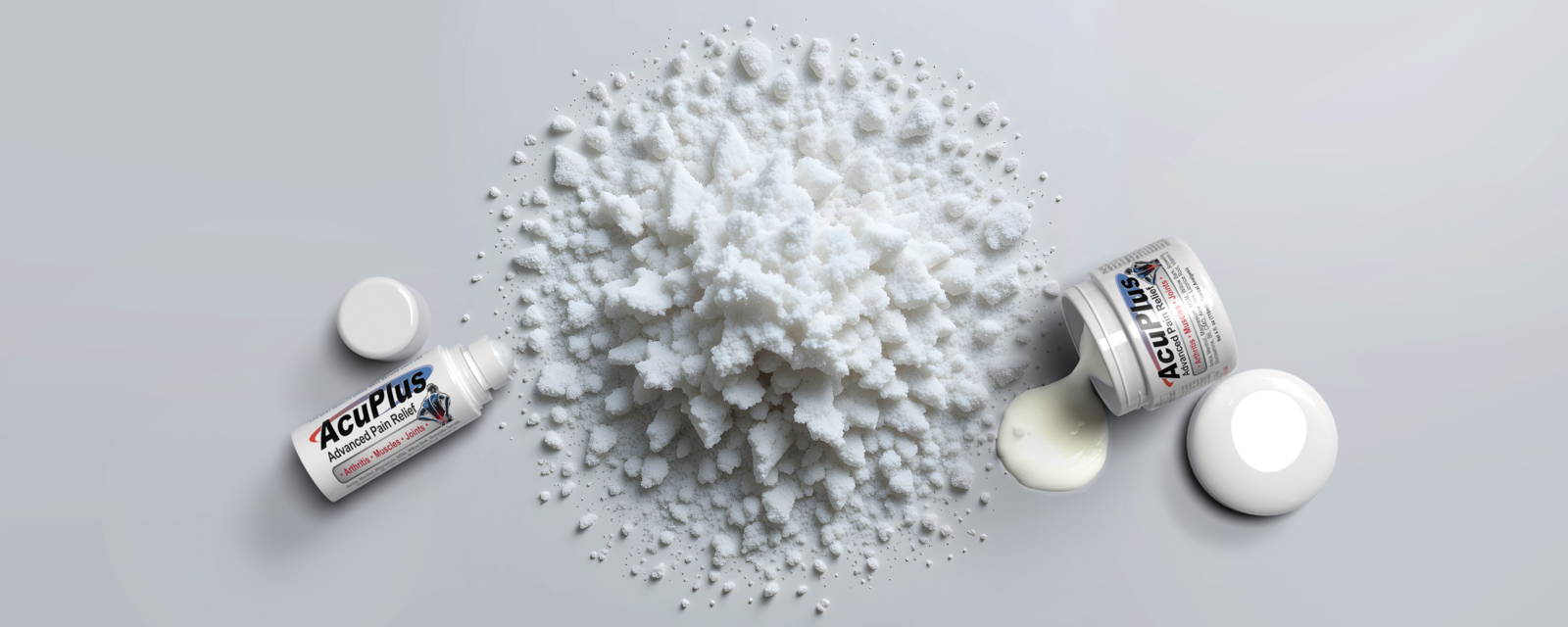
Magnesium in Pain Relief Cream: What It Does, What the Science Says, and Why AcuPlus Uses It
If you have ever taken magnesium for muscle cramps, tight legs, or post-workout soreness, you already know this mineral has a strong reputation in muscle and nerve support. Magnesium plays an important role in normal muscle contraction, nerve signaling, and overall body function.
But here is where many people get confused: oral magnesium and topical magnesium are not the same thing.
Oral magnesium is used to support whole-body magnesium intake. Topical magnesium, on the other hand, is applied directly to the skin as part of a targeted comfort routine. The science around how much magnesium absorbs through the skin is still developing, but magnesium remains a popular ingredient in creams, soaks, and massage formulas because it fits naturally into routines for tired muscles, stiff joints, and overworked areas.
That is why AcuPlus includes magnesium as part of its broad supportive ingredient blend, along with menthol 3.5%, arnica, MSM, glucosamine, aloe vera, Boswellia serrata, willow bark, licorice root, vitamin B6, vitamin E, ilex, and other comfort-focused ingredients.
Quick Answer: Why Is Magnesium Used in Pain Relief Cream?
Magnesium is used in topical muscle and joint creams because it is associated with normal muscle and nerve function, relaxation routines, and post-activity comfort. In AcuPlus, magnesium is part of a layered topical formula designed to support a smooth, cooling, massage-in experience.
The actual OTC pain-relieving active ingredient in AcuPlus Pain Relief Cream and AcuPlus Roll-On is menthol 3.5%. Menthol is a topical analgesic that creates a cooling sensation and helps temporarily relieve minor aches and pains of muscles and joints.
Magnesium supports the formula experience. Menthol provides the approved topical analgesic action.
What Does Magnesium Do in the Body?
Magnesium is an essential mineral. Your body uses it for hundreds of normal biological processes, including:
- Muscle and nerve function
- Energy production
- Protein synthesis
- Calcium and potassium movement across cell membranes
- Muscle contraction
- Nerve impulse conduction
- Normal heart rhythm
- Blood pressure regulation
This is why magnesium is so often discussed in connection with muscle tightness, cramps, soreness, and physical recovery routines.
When magnesium intake is low, some people may experience more muscle tightness, cramping, or general discomfort. However, if you suspect a magnesium deficiency, that is something to discuss with a healthcare professional. A topical cream is not a replacement for nutrition, medical care, or doctor-recommended supplementation.
Topical Magnesium vs. Oral Magnesium: What Is the Difference?
This is one of the most important points for readers to understand.
Oral magnesium supports whole-body magnesium intake.
If your goal is to support your overall magnesium levels, oral magnesium from food or supplements is the more established route. Magnesium-rich foods include leafy greens, nuts, seeds, legumes, and whole grains. Some people also use oral magnesium supplements under the guidance of a healthcare provider.
Topical magnesium is used for targeted comfort routines.
Topical magnesium is applied directly to the area you want to massage, such as the back, shoulders, neck, knees, calves, hands, wrists, hips, or feet. Many people like topical products because they are easy to apply where discomfort is felt and do not require swallowing a pill.
The honest answer is that topical magnesium absorption research is still developing. Some early studies suggest possible absorption, while other reviews say the evidence is not strong enough to claim that topical magnesium reliably raises whole-body magnesium levels.
That is why AcuPlus does not position topical magnesium as a replacement for oral magnesium. Instead, magnesium is included as one part of a complete topical comfort formula.
Why AcuPlus Combines Magnesium With Menthol
Many topical pain creams focus on one main sensation: cooling, warming, or numbing.
AcuPlus was designed differently. It combines menthol 3.5%, the OTC topical analgesic active ingredient, with a broad supportive ingredient blend for a more complete massage-in experience.
Menthol helps provide temporary relief of minor aches and pains of muscles and joints. Magnesium complements the topical comfort routine. Together, they create a formula that feels cooling, fast-absorbing, and easy to use on everyday sore areas.
This makes AcuPlus a good option for people who want targeted relief without always reaching for another pill for minor aches.
3 Reasons Magnesium Belongs in a Muscle and Joint Comfort Formula
1. Magnesium is closely connected to normal muscle function.
Muscles contract and relax through a careful balance of minerals, including calcium, potassium, and magnesium. Magnesium helps regulate normal nerve and muscle activity, which is why it is often associated with muscle relaxation and cramp-support routines.
In a topical cream, magnesium fits well into a massage-based comfort routine. When you apply AcuPlus, you are not just putting ingredients on the skin. You are also massaging the area, which can help you slow down, focus on the sore spot, and support a feeling of local comfort.
Best areas to apply:
- Neck
- Shoulders
- Lower back
- Knees
- Calves
- Feet
- Hands
- Wrists
- Hips
2. Magnesium fits naturally into post-activity recovery routines.
After workouts, golf, pickleball, gardening, travel, or long workdays, many people feel soreness in predictable areas. The calves feel tight. The knees feel stiff. The back feels overworked. The shoulders feel tense.
AcuPlus is made for those everyday moments.
Instead of waiting until discomfort slows you down, you can apply AcuPlus directly where you feel minor muscle or joint aches. The cooling menthol sensation helps the area feel refreshed, while the massage-in application helps you build a simple comfort routine.
Use it after:
- Walking
- Pickleball
- Golf
- Workouts
- Yoga
- Gardening
- Travel
- Long periods of sitting
- Busy days on your feet
3. Magnesium works well in a layered comfort blend.
AcuPlus is not a single-ingredient topical cream. It is a multi-ingredient formula built around menthol 3.5% and a supportive blend that includes ingredients commonly used in muscle, joint, and massage products.
The AcuPlus blend includes:
- Menthol 3.5% — OTC topical analgesic active ingredient for temporary relief of minor muscle and joint aches
- Magnesium — mineral support for the topical comfort experience
- Arnica — botanical commonly used in massage and active lifestyle formulas
- MSM — popular ingredient in muscle and joint care products
- Glucosamine — familiar joint-support ingredient
- Boswellia serrata — botanical used in many wellness formulas
- Aloe vera — helps give the formula a smooth, soothing skin feel
- Willow bark — botanical ingredient used in traditional comfort formulas
- Licorice root — plant extract included in the supportive blend
- Vitamin B6 — vitamin ingredient included in the formula
- Vitamin E — skin-conditioning antioxidant ingredient
- Ilex — botanical that contributes to the overall topical experience
This layered approach is one reason AcuPlus feels different from basic one-note pain creams.
Why Menthol Matters Most for Pain Relief
Magnesium is important, but the pain-relief claim for AcuPlus comes from menthol.
Menthol is widely used in topical analgesic products because it creates a cooling sensation on the skin. This cooling feeling helps distract from minor aches and pains and provides temporary relief in sore muscles and joints.
AcuPlus uses menthol 3.5% as the active ingredient.
That means AcuPlus is designed for temporary relief of minor aches and pains associated with:
- Arthritis
- Simple backache
- Strains
- Bruises
- Sprains
- Sore muscles
- Sore joints
This is the compliant, label-supported reason people should choose AcuPlus for everyday aches.
Why People Choose a Topical Pain Relief Cream Instead of Pills
Many people want a targeted option for minor aches. They do not always want to take an oral pain reliever for every sore knee, stiff shoulder, tight calf, or aching lower back.
A topical pain relief cream lets you apply comfort directly where you need it.
AcuPlus is especially useful for people who want:
- Targeted application
- A cooling menthol sensation
- A fast-absorbing, non-greasy feel
- A massage-in cream for home use
- A roll-on option for hands-free use
- A topical-first option for everyday soreness
- A product made for active adults and daily movement
It is a simple idea: when discomfort is local, a topical product can be a practical first step.
How to Use AcuPlus Pain Relief Cream for Best Results
Use AcuPlus only as directed on the product label.
Step 1: Apply to the affected area.
Use a thin layer on the area where you feel minor muscle or joint aches.
Step 2: Massage until absorbed.
Rub the cream into the skin until it feels absorbed. This helps create a smooth, targeted application.
Step 3: Wash hands with cool water after use.
Avoid touching your eyes, face, or mucous membranes after applying.
Step 4: Repeat as directed.
Adults and children 2 years of age and older may apply to the affected area up to 3 to 4 times daily, as directed. For children under 2 years of age, consult a physician.
Step 5: Use consistently for everyday comfort.
Many people like to apply AcuPlus:
- After a warm shower
- After activity
- Before bed
- After long periods of sitting
- After travel
- After workouts
- After gardening, golf, pickleball, or walking
Important Safety Tips
For external use only.
Do not use AcuPlus:
- On wounds or damaged skin
- On irritated skin
- With a heating pad or heating device
- With tight bandages
- Near the eyes or mucous membranes
- With other ointments, creams, sprays, or liniments unless directed by a healthcare professional
Stop use and ask a doctor if:
- Symptoms worsen
- Symptoms persist for more than 7 days
- Irritation develops
- Symptoms clear up and then return within a few days
If you are pregnant, nursing, have kidney issues, take prescription medication, or have a medical condition, ask your healthcare provider before using any new topical product.
Which AcuPlus Product Should You Choose?
Choose AcuPlus 4 oz Pain Relief Cream if you want massage-in relief at home.
The 4 oz jar is best for larger areas like the back, knees, shoulders, hips, calves, and feet. It is a good choice if you like to massage the product into the skin.
Choose AcuPlus 3 oz Pain Relief Roll-On if you want hands-free application.
The roll-on is great for travel, gym bags, golf bags, pickleball bags, work, and quick use during the day. It is easy to apply without getting cream on your hands.
Choose an AcuPlus bundle if you want the best value.
Bundles and multi-packs are ideal if you use AcuPlus regularly or want one product at home and one on the go.
Choose AcuPlus Bath Bombs if you want a relaxing full-body soak.
AcuPlus Bath Bombs are not topical analgesics and do not contain menthol. They are designed for a relaxing soak after activity, travel, long days, or everyday tiredness.
Frequently Asked Questions About Magnesium Pain Relief Cream
Is magnesium good for sore muscles?
Magnesium is important for normal muscle and nerve function. Many people use magnesium as part of their muscle comfort and recovery routines. In a topical cream, magnesium is best understood as a supportive ingredient, not the primary OTC pain-relieving active ingredient.
Does topical magnesium absorb through the skin?
The evidence is still developing. Some early research suggests topical magnesium may influence magnesium markers, but other reviews conclude that current evidence is not strong enough to claim reliable whole-body absorption. If your goal is to correct low magnesium levels, speak with a healthcare provider about diet, testing, and oral supplementation.
What ingredient in AcuPlus provides pain relief?
The active ingredient in AcuPlus Pain Relief Cream and Roll-On is menthol 3.5%. Menthol is an OTC topical analgesic active ingredient used for the temporary relief of minor aches and pains of muscles and joints, including discomfort associated with simple backache, arthritis, strains, bruises, and sprains.
Does AcuPlus smell strong?
AcuPlus has a cooling menthol scent that fades after application. It is not odorless.
Can I use AcuPlus every day?
AcuPlus is designed for everyday use as directed. Apply to the affected area up to 3 to 4 times daily. Do not use on broken or irritated skin, and stop use if irritation occurs.
Can I use AcuPlus before or after exercise?
Yes. Many people use AcuPlus as part of a pre-activity or post-activity comfort routine. Apply it to areas that commonly feel sore, such as the knees, shoulders, back, calves, feet, wrists, or hips.
Can I use AcuPlus with stretching?
Yes. A simple routine is to apply AcuPlus, massage it into the target area, and pair it with gentle movement or light stretching. Do not force a stretch, and stop if pain increases.
The Bottom Line
Magnesium is an important mineral for muscle and nerve function, and it has earned its place in many comfort and recovery routines. But when it comes to topical pain relief, the most important fact is this:
AcuPlus Pain Relief Cream and Roll-On use menthol 3.5% as the OTC active ingredient for temporary relief of minor muscle and joint aches.
Magnesium is part of the supportive formula experience. Menthol delivers the label-supported topical analgesic action. Together with AcuPlus’ broad ingredient blend, fast-absorbing texture, and cooling feel, the result is a practical topical option for everyday aches.
If you want targeted comfort for your back, knees, shoulders, neck, hands, wrists, feet, calves, or hips, AcuPlus gives you a simple way to apply relief directly where you need it.
Try AcuPlus Pain Relief Cream for massage-in home use, or choose the AcuPlus Roll-On for hands-free relief on the go.
Sources and Further Reading
- NIH Office of Dietary Supplements: Magnesium Fact Sheet for Health Professionals
- DailyMed: AcuPlus Pain Relief Cream Drug Facts Label
- FDA OTC Monograph M017: External Analgesic Drug Products for OTC Human Use
- Kass et al., PLOS One: Effect of Transdermal Magnesium Cream on Serum and Urinary Magnesium Levels in Humans
- Gröber et al., Nutrients: Myth or Reality—Transdermal Magnesium?
- Reviews on magnesium, inflammation, immune signaling, and neuromuscular function
- Reviews on menthol, cooling sensation, and topical analgesic mechanisms
Medical note: This article is for educational purposes only and does not diagnose, treat, cure, or prevent disease. Always follow the product label. Talk to your healthcare provider if you have a medical condition, are pregnant or nursing, take prescription medications, have kidney issues, or have symptoms that persist or worsen.